Blog

  • People Matter – Building Stronger Teams Through Personality Insights

    At People Matter, we believe in unlocking potential by understanding the diverse personalities within a team. Inspired by Thomas Erikson’s book, Surrounded by Idiots, we leverage personality insights to create balanced, effective teams. According to Erikson, there are four types of people:

    – Reds are ambitious, boisterous, and commanding.
    – Blues are quiet, analytical, and precise.
    – Yellows are social, creative, and optimistic.
    – Greens are calm, reliable, and considerate.

    By knowing each colleague’s personality type and their natural propensities, teams can communicate and collaborate more effectively. This understanding enhances team dynamics, allowing each member to play to their strengths and contribute to a unified, successful outcome.

  • How Personality Insights Transformed Our HOA Board: A Case Study in Team Effectiveness

    Introduction: In my role as an HOA board member, I’ve drawn on insights from Surrounded by Idiots by Thomas Erikson to foster a collaborative and high-performing team. The book categorizes people into four personality types, each represented by a color – Red, Yellow, Green, and Blue – with distinct communication styles and strengths. This model helped our board understand each other better, allowing us to harness our differences to achieve remarkable results for our community.

    The Four Colors and Their Roles:

    1. Red (Assertive and Driven): This personality type is decisive and action-oriented. On our board, the “Red” members helped us stay focused on goals and pushed for quick decision-making, essential for projects like security upgrades and landscaping improvements.
    2. Yellow (Creative and Social): The “Yellow” personalities bring energy and ideas. They played a key role in community events and communication, making our interactions with residents engaging and transparent. Their enthusiasm was instrumental in managing the HOA’s Facebook group and organizing nine community events.
    3. Green (Supportive and Stable): The “Green” members are patient and reliable, ideal for maintaining consistency in board processes. Their calm approach was invaluable in landscaping and financial health initiatives, ensuring attention to detail and long-term stability for the community’s resources.
    4. Blue (Analytical and Detail-Oriented): “Blue” personalities are logical and thorough, perfect for handling compliance and financial reporting. Their focus on accuracy allowed us to set clear architectural guidelines and process applications efficiently, achieving a 95% accuracy rate in reviews.

    Applying Personality Insights to Achieve Results: By understanding each board member’s strengths, we created an environment where everyone felt valued and engaged. The Red personalities kept us moving forward, while the Yellows fostered a positive community spirit. Greens ensured steady, reliable progress, and Blues maintained high standards in our processes.

    Together, this balanced approach allowed us to achieve significant accomplishments:

    • Enhanced Security: From installing surveillance cameras to partnering with local law enforcement, we prioritized safety in ways that all personality types could support.
    • Landscaping and Beautification: With detailed planning and consistent implementation, we beautified our common areas and kept the landscape well-maintained without added costs.
    • Improved Communication: Using diverse channels, we kept residents informed and engaged, creating a transparent environment that strengthened trust.

    Conclusion: Leveraging the Surrounded by Idiots framework on our HOA board was transformative. Understanding and appreciating our different personality types empowered us to work together more effectively, which ultimately benefited the entire community. At People Matter, we believe that true success comes from recognizing and harnessing each individual’s unique strengths – a philosophy that we bring to every team and project.

  • Adapting HR Practice in Post Pandemic World

    “Adapting HR Practices in a Post-Pandemic World: Lessons from Real Estate Entrepreneurship” Samer’s experience as a real estate entrepreneur during the COVID-19 pandemic can provide valuable insights into how HR practices need to adapt in the face of crises and uncertainty.

    The COVID-19 pandemic impacted organizations across the world and required them to adopt HR practices that supported remote work requirements to comply with government measures to stifle the spread of the virus at a minimum. While this was already an existing HR policy in many countries, in the GCC it was the exception rather than the rule as the concept was not embraced. This mindset quickly changed overnight given the crisis. As a result, companies quickly began to embrace technologies (i.e., Zoom, Teams, Slack) to support this shift in strategy to leverage remote working without losing sight of employee engagement and employee mental health & well-being while in isolation and high anxiety experienced by many during the pandemic. This, of course, was focused on the non-essential workforce primarily based in an office based work environments but did not encapsulate the essential workforce on the front lines. For me, this segment of the workforce comprised 90% of our workforce and while many companies pivoted to reducing the size of their workforce given the recessionary environment that followed, for us the work demand increased ten fold as janitorial/cleaning services increased significantly as it was a preventative measure to disinfect and keep facilities clean as a measure to counter the spread of the virus. For us, the airport and hospitals were our two largest clients competing for our limited resources.

    This article draws upon my experience as an HR/HSE Director for an integrated facilities management company in Qatar and later as a Real Estate entrepreneur in my base country (USA) during the Covid-19 pandemic. Looking back, I recall how we were operating business as usual as we were entrenched in our year end performance calibration sessions in Q4 2019 when we realized we needed to activate our business continuity planning measures.

    Like many governments around the region and the world, the Qatari government began introducing measures to safeguard it’s citizens and residents health. They introduced a compulsory contact tracing application called Ehteraz as part of it’s measures to combat the Covid-19 pandemic. Qatar also made a strategic decision to isolate and treat Covid-19 patients in separate building from the existing medical facilities to prevent the virus from spreading to non-covid-19 patients. As a result, the required infrastructure was not ready to cope with the sudden surge of patient admissions. In addition to this, they adopted international travel restrictions in order to prevent the entry of confirmed cases from outside of the country. Schools were closed and students switched to online learning. They also isolating an entire industrial area where workers lived (the first hotspot of the pandemic). In May 2020, Ehteraz was made obligatory and everyone was required to download on their mobile phones. This allowed the government to alert the users if they were exposed to someone with a confirmed case. The vaccination campaign was launched in Dec 2020.  Some of these measures adversely impacted our business. For example, our business had a high attrition rate that required regular cadence of recruitment but suddenly travel was restricted as many countries started to close off their borders – particularly any inbound travel from high-risk designated countries.  on business continuity planning like most organizations with the distinction being that our workforce was predominantly deemed essential as they were front-line workers that were in high demand as there


    To immediately safeguard our workforce living in confined quarters within a camp environment which was predominantly essential as we were responsible for cleaning and maintain the facilities within the airport which was operating. which was comprised mostly of essential workers (90% cleaners and technicians) and the vast majority working in high-risk locations like the airport. Important to keep in mind that our workers typically were allocated to 4 per room so having someone

    This article shares some of the insights on how HR had to adapt practices during the Covid-19 pandemic that has largely remained intact in a post-pandemic world today. Recalling back when I held multiple roles as HR and HSE Director for a large integrated facilities management company during the Covid-19 pandemic, I had the incredibly daunting task of introducing policies and practices that would safeguard our workforce – many of whom were

    In a matter of days, businesses and whole industries were forced to make substantial changes in order to continue their operations and quickly adapt to the new normal.

    As such, HR departments all around the world faced challenges such as employee engagement, retention, talent development, and remote work. Now, halfway through 2022, we can take a look at how HR trends changed before and after the pandemic started. We will also take a look at some predictions for the future – which HR trends can we expect to come?

    Remote/Hybrid work

    The biggest and the most obvious change was the possibility to work remotely. Prior to the pandemic, many companies were skeptical of even thinking of implementing this. It’s almost surprising to read that before the pandemic only 6% of Americans worked remotely, while almost ¾ never worked remotely at all.

    Understandably, this figure changed dramatically during 2020. What was once exclusive to a handful of daring companies became the reality of most businesses. While we can see a trend where employees are slowly returning to their offices, we can safely say that there will always be a possibility of working from home.

    Many companies have decided to implement a flexible work week model, giving employees more autonomy with their schedules. This has several proven benefits such as improved employee retention, greater diversity within a company, increased productivity (remote workers on average worked 1.4 days more every month which amounted to 16.8 more days on a yearly level), and, most importantly, a better overall work life balance for the employees.

    In a time where companies put more focus on the well-being of their workers, good work-life balance has become the main selling point for recruiters trying to attract new talent. To support this claim, a survey conducted by Deloitte states that 16% of millennials choose their job if it offers work-life balance. This trend is expected to continue as generation Z comes into the workforce.

    Employee Wellbeing

    As mentioned before, companies have started to make employee wellbeing a priority. If before the pandemic some businesses could have managed to downplay the importance of workers’ satisfaction, the pandemic has shown it to be a key factor not just for performance, but for overall company image and their positioning among potential employees.

    Companies are investing in training their managers to adopt a more empathetic style of leadership. People-oriented organizations provide employees with a sense of ownership over their work and give them fulfillment beyond salary. This field has much potential for improvement, however, a recent study by IBM Institute for Business Value discovered that there is a massive gap between employers’ and employee perceptions of support and care for workers’ wellbeing (only 46% of employees felt that the executives really cared for their wellbeing, compared to 86% of employers). HR professionals will have the task of forging strategies that will reduce this gap between employers and employees.

    Data-driven HR

    With businesses coming to terms with the importance of good HR practices, we also have to make sure we are making the right decisions on what strategies and programs we need to implement.

    People analytics, as some would call them, give us a better understanding of what staff is doing, why they are doing it, and how their actions affect the organization. Fields like finance have been utilizing data for years now, yet, their main focus remains profit rather than people. HR forecast mentions that only 34% of HR executives use metrics and data for decision-making.

    In this sense, it’s not only important to gather the right data but also to know how to integrate it to understand the full picture. One interesting benefit of data in HR is an improved hiring process, as one of the biggest problems companies face is finding the right candidates for the role. Analytics can help by sorting out relevant characteristics about top performers and give us a chance to use that data while shortlisting the best potential candidates.

    In perspective, this can ensure that the candidates thrive in their roles and it will increase the chance of hiring the right people the first time. For HR to become truly strategic it will have to engage with all stakeholders. In this case, analytics could give fast insight into different scenarios that could happen if there were a sudden change in working conditions.

    Business resilience/agility

    The pandemic taught us to expect the unexpected.

    Before, most of the top companies were focused on creating strategies focused on efficiency. These types of strategies may have given an edge in market expansion when things are stable, but in a situation where market conditions are rapidly changing – organizations that rely on rigid structures will inevitably fall behind.

    An agile approach will give organizations a better framework to respond to changes and keep track of their goals. HR professionals should be focused on promoting greater collaboration and devolved decision-making within companies. They should also ensure that managers meaningfully engage with employees and foster team culture using technology to bring together a dispersed workforce and improve productivity and performance.

    Communication between managers and employees should be genuine and the latter should know how their work is aligned with the long-term goals of the company. There is also a push for teams to acquire greater autonomy to make small changes to their operations, without getting multiple approvals that could slow down work.

    While the previous trends are surely the main theme for HR, we cannot forget some “honorable mentions” when talking about what the future holds.

    Diversity and inclusion

    This topic, in the workplace, has been discussed for the past few years already but for many it is still challenging to fully accept those who are different. As more and more companies come to accept diversity as their core values, they will need to formulate their own diversity and inclusive training programs in order for underrepresented groups to feel valued and respected in the workplace.

    This could also bode well for businesses as a McKinsey and CO study shows that companies that have a diverse workforce are 35% more likely to have above-average profit margins than those with a homogenous workforce.

    Digitalization

    Shifting processes from the old paper and pen practice to the digital environment will only be sped up thanks to the pandemic. It will be interesting to see how new software will contribute to the speed and convenience of HR processes in the future. We already see how it impacted recruitment and database management, so we can expect all fields of HR to be impacted with the creation and implementation of new IT solutions.

    We can rightly assume that we only scratched the surface of the matter, and to truly dive into all the trends that await us would be no simple task. The past two years have taught us that times are indeed changing rapidly and each year will bring something different when compared to the last one. With the pandemic slowly but surely getting under control and workers getting back to their offices, HR professionals must be careful not to fall complacent in this new reality and be on their guard for the next big challenge.

    Does any of the above insights around HR practices in a post-pandemic world resonate with your own experiences in your organization(s)?


  • Mentorship and Career Development in the GCC

    1. “Mentorship and Career Development in the GCC: A Conversation with Samer”Samer’s mentoring experience and MA in Organization Psychology from Columbia University make him an excellent resource for discussing mentorship and career development in the GCC region.


    In the dynamic and rapidly evolving business landscape in the GCC, mentorship plays a pivotal role in nurturing talent and fostering career development. As organizations strive to remain competitive and agile in a rapidly evolving landscape, the importance of mentorship in guiding professionals through their career journeys cannot be overstated. Mentorship not only provides individuals with valuable insights and guidance but also helps in developing crucial skills, expanding networks, and navigating the complexities of the workplace whilst retaining core talent. I would argue that within the GCC, careers are made or stunted through relationships and an individual’s ability to cultivate them as traditional values are deeply rooted in the fabric of society, so mentorship serves as a bridge between experience and ambition, helping individuals unlock their full potential and contribute meaningfully to their organizations and communities. To this day and throughout my life, I have personally benefited from mentors across multiple facets of life that span both personal and professional that I am passionate about: HR, Real Estate, and Bitcoin.  I have also mentored and continue to mentor professionals across these three facets across the GCC. And in both capacities, the experience has been rewarding to all parties…
    Did you know that the term Mentor came from Greek mythology? Odysseus, King of Ithaca (Homer’s Odyssey, 800BC) was about to leave for the Trojan War and was reluctant to leave his son, Telemachus. When he did set off, Odysseus assigned his trusted companion and friend, Mentor, in charge of the royal household. One of his tasks was to raise the king’s son and make him a wise and good ruler.

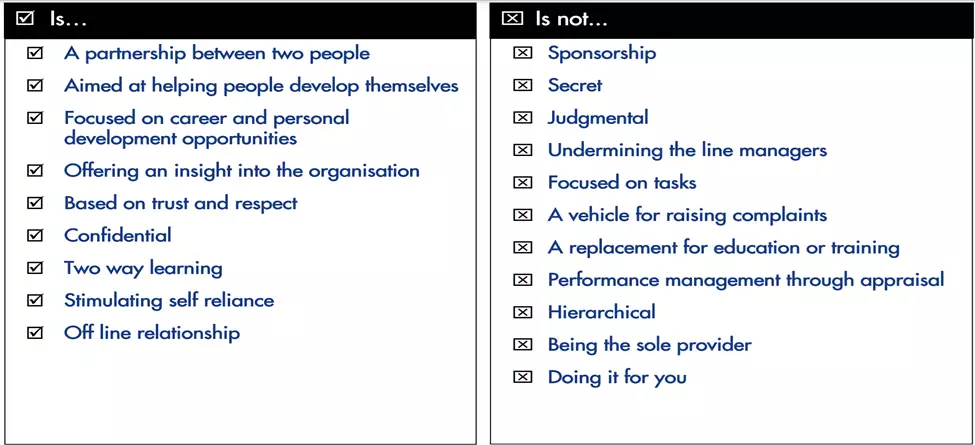
    SO, WHAT IS MENTORING?

    A Partnership

    Between two people built upon trust. Oxford dictionary defines mentor as “an experienced and trusted advisor.”

    Confidential

    The mentor offers a safe environment to the mentee to discuss work-related issues and explore solutions to challenges.

    Off-line

    Mentors are typically outside the mentee’s immediate team, and not in their reporting line. This facilitates confidentiality as well as offering the mentee a fresh perspective in discussions.

    Positive Developmental Activity

    The primary focus is the less tangible skills which enable individuals to operate effectively as leaders and

    achievers. Mentors can offer insights into the ways the organization works, how the informal networks operate and how they think about the challenges and opportunities mentees encounter.

    But it is important to note that the mentees need to take ownership of their careers and provide the main drive behind the relationship to help set the direction to meet their development needs.

    Self-reliance

    This is the aim of mentoring. Mentors are not there to sort out problems but rather to highlight the issues and to help plan ways through them. Through skillful questioning, they help clarify the mentee’s perspective while bringing, an additional view to bear on the issues.

    Understanding And Trust

    Sharing views and ideas builds this. Both mentors and mentees share a common benefit of developing a

    strong two-way learning relationship.


    THE MENTOR’S ROLE

    No two mentoring relationships are alike. Yet the mentor’s role is consistent. Since the aim of mentoring is to build the capability of the individual, mentors should respond to their needs in a way that enables them to find their own solutions.

    Mentors are offering themselves as a resource to the mentees. Here are some of the resources most mentors will be able to offer:

    Organizational Experience: understanding of the culture of the organization – its values, its

    processes, its politics and the strategies required to negotiate them.

    Knowledge of People: experience of working with and handling people in general, perhaps

    understanding of specific people with whom the mentee is interacting.

    Knowledge of Networks: knowledge of networks that exist within the organization and of

    networks that the mentee might need to relate to or develop for themselves.

    Knowledge of Career Options: understanding of career paths and options within the organization and

    how these are likely to develop in the future, plus possible direct experience of areas of work which are of interest to the person being mentored.

    Life Experience: experience accumulated through the mentor’s own life of personal issues that are or are likely to be of use to the person being mentored.

    Technical expertise: job-related expertise – this might be technological or managerial. It is expertise that the mentee might find useful in their current or future roles.

    This is not a definitive list. Nor should anyone feel that they have to provide all of the above, they are not

    prerequisites. The list is intended as a stimulus to help mentors reflect on their own resources and to consider which of these they want to make available to the people they are mentoring. But remember, good mentors keep out of the action – they look on, encouraging rather than taking over and doing the work. Mentors play the role of the objective supporter and provide a confidential sounding board.

    An effective mentor:

    • is a good listener.
    • is actively interested in the individual and their development.
    • trusts others and can be trusted.
    • is encouraging and exhibits confidence in the individual.
    • is able to maintain the integrity of the relationship between the mentee and their manager.
    THE MENTEE’S ROLE

    Mentoring is designed primarily to benefit the mentee. However, what each person gets from the relationship will depend significantly on what they put into it. By accepting the role, the mentee assumes responsibility for driving the relationship. It is their responsibility to establish the goals and to manage the process to further their personal and professional growth.

    In entering a mentoring relationship, mentees should:

    know what they want to achieve from the relationship clarify what is expected of them and what their expectations are of the mentor set realistic aims for what can be achieved through the learning partnership be committed to their own development.

    The effective mentee will:

    • Take responsibility for driving their own development.
    • Initiate the mentoring meetings and take an active role in the mentoring discussions.
    • Bring real situations, issues, development needs to the mentoring meetings.
    • Share experiences openly, think for themselves, challenge intelligently.
    • Be prepared to receive honest feedback.
    • Implement agreed actions and update the mentor on progress.
    • Complete a six-monthly review of the mentoring meetings.

    THE MENTORING PROCESS

    Mentoring is about helping people progress their development. A mentoring relationship does not stand still. Most go through the following stages:

    Building rapport getting to know each other and agreeing the basis for working together.

    Setting direction what are the issues to be tackled, what are the priorities?

    Making progress the action part with regular contact and activity.

    Moving on when the purpose of the partnership has been achieved.


    I have personally developed and launched mentorship programs across multiple organizations in the GCC and the below are guidelines that I have used to establish this culture of mentorship and career development to help new recruits effectively integrate within the organization. During the interview process, many shrewd candidates will ask if the organization has a formal mentorship program to gauge whether the organization values a culture of mentorship and career development. So if you an an HR manager considering implementing a mentorship program as part of your career development framework here are some guidelines you can leverage and build upon:


    Mentoring Guidelines


    1. Overview

    The objective of these guidelines is to provide a framework for mentoring within the organization. The guidance is built on the principles of ‘light touch’, simplification and using existing tools, processes and resources aligned with the organization including clarification of roles and responsibilities as it pertains to mentoring within the organization.


    The organization recognises that although both mentoring & coaching have a role to play in the development of others, there are distinct differences between the two, some of which are highlighted below. For the purposes of this article, I shall refer to mentoring only.


    Coaching
    Mentoring
    Short-term process focused on equipping people with tools, knowledge and practices to develop themselves and become more effective. Medium to long-term process to learn from the experience of a successful professional in the field.
    Increase and stretch individual skills, competence, confidence and performance through feedback and focused conversations. Gain knowledge and understanding of the wider system in the organization.
    Ensure alignment between individual actions and business goals. Learn how to navigate the organisational system and expand networks of influence.


    1. Guiding principles

    The organization will adopt these guidelines and identify individuals to be offered the opportunity to have a mentor. The intent is not to be prescriptive on who may have a mentor or that people identified in the targeted groups must have a mentor, however it is important, from a fairness and consistency perspective, that the application of the tools, and providing the opportunity to the targeted groups, is aligned across the organization.


    1. Mentoring within the organization


    1. The definition of Mentoring – “Mentoring is a long-term relationship, aimed at helping people develop themselves and their career”.


    1. Current Position
      The use of mentoring, as a development tool, is not yet institutionalized across the organization businesses and functions. Increasingly, the benefits of using mentoring to support staff development are being more widely recognised – particularly for graduates, experienced hires, specific talent groups, and employee networking groups.


    There are differing needs across the businesses and functions and therefore one solution will not necessarily fit all. In addition, within the HR model, accountability for mentoring is typically split in different ways between Talent Management and Learning & Development.


    1. Methods currently available


    • Professional / Skill Pool / One-to-One Mentoring:

    A mentoring relationship with the objective of providing a technical/professional perspective on career and personal development.

    1. Employee groups currently deemed as a ‘priority’ for mentoring within the organization:
    • ‘Diverse’ populations (as defined by the organization’s Diversity & Inclusion plan) e.g.
      • Females with High Potential
      • Nationals with High Potential
    • New hires (on boarding)
      • Graduates in the formal Graduate Development Training Program
      • Experienced hires
    • High potential Employees
    • Professional Development
      • Certain skill pools that require professional mentoring


    1. Roles and Responsibilities
    2. HRBPs
      • Ensure that individuals in the targeted groups of ‘diverse’ populations & ‘Talent / High Potentials’ are offered the opportunity of a mentoring relationship.
      • Informs Talent focal point in talent team if they are aware of individuals who require a mentor outside of their own coverage population.
      • Ensure that their coverage population understands and are using the organization’s mentoring tools.


    1. Talent focal point
      • Provides matching assistance where required across other parts of the organization.
      • Ownership of relevant updates of mentoring guidelines and changes to the organization tools and communication.


    1. Line Manager / Supervisor
    • Plays a key role in providing day to day / short term coaching to direct line reports. This includes but is not limited to:
      • Ensuring every individual has an up-to-date IDP in place.
      • Ensuring that job content is stretching & relevant.
      • Ensuring that on the job/ departmental development opportunities are being utilized in line with IDPs.
    • Understands the organization mentoring guidelines and ensures that individuals within the target groups in their teams are:
      • Aware of the guidelines and
      • Have the opportunity for a mentoring relationship.


    1. Individual (Mentee)
    • Make Line Manager / Supervisor or HR aware if he/she does not have a mentor.
    • Assumes responsibility for driving the relationship including seeking out suitable mentors, establishing the goals, managing the process etc.


    1. Assumptions
    • There is no tracking or measuring of the mentoring program.
    • All employees have the capability to be a mentor. Standard HR mentoring guidelines remain available to provide mentors with suitable guidelines and training.
    • IDPs are used to help ensure the best relationship match (i.e., Areas for Development matches to Mentor’s skills/ experience etc.).
    • Mentors may say ‘no’ if they are too busy.
    • Mentors should have a maximum of 4 mentees.
    • All employees may attempt to find a mentor; the target groups simply give guidance to HR and business to enable prioritization.


    1. Mentors

    To ensure that the organization is able to stay aligned with the principles of ‘light touch’, avoid a tracking and monitoring system, mentors should be selected or assumed on the following criteria:

    • Front Line Leader or Higher
    • High Potential
    • At least 3 years of experience within the organization
    • Preferably linked to the job family of the mentee
    • No hierarchical line to the mentee
     

  • Nationalization and Talent Development in the GCC Construction Industry

    “The Role of HR in Family-Owned Businesses: Challenges and Solutions” Samer can discuss the unique challenges and opportunities in managing HR for family-owned businesses in the GCC, drawing from his time as Group HR Director at Al Fardan Group in Qatar.


    The 2nd oldest industry in the world is finding itself arguably at the forefront in enabling many of the national economic visions across the GCC region. Many residents or visitors can attest to this after seeing the significant number of cranes erected across the skyline to support the myriad of projects ranging from:

    • Oil & Gas, industrial, infrastructure in Basrah,
    • Residential & hospitality in Dubai,
    • Residential & industrial in Abu Dhabi,
    • Residential, hospitality, infrastructure, and FIFA World Cup stadiums in Doha,
    • (10x all of the above) in Saudi Arabia with Vision 2030.

    Against this backdrop you might think that Construction companies operating in the region might get a pass from governments on nationalization and talent development. Drawing from my personal experience as CHRO for a leading construction business in Saudi Arabia and Shell’s lead HR secondeee for a newly formed Joint Venture tasked with developing large-scale Industrial Brownfield and Greenfield projects in the south of Iraq I can tell you that this thinking would be flawed.

    In Iraq, the ability to absorb 5,000 nationals was a license to operate – These nationals were not selected by the private joint venture but rather they were seconded to the newly formed joint venture that had a multi-billion dollar scope in construction projects and was limited to 10% expatriates to deliver on the business plan which of course included developing the nationals who spoke little to no English. This of course meant that Talent & Development was critical to business success so we needed to establish a training academy to immediately assess and upskill their competencies, starting with English. Looking back, the venture has been a success and many of the nationals have developed their knowledge, skills, and confidence to replace many of the expatriate workforce and has become a beacon of success as the 1ststate privatization in Iraq in over 50 years. Without the ability to attract and retain the nationals early on the venture would have never gotten off the ground to commence operations and today see a significant reduction in gas flaring and record profits for the sovereign nation as it rebuilds it’s country following years of war and carnage.

    In Saudi Arabia, it was a similar license to operate context and I learned this first-hand when I was personally unable to obtain my residence permit for 3 months because of a ‘Red’ Nitiqat company status for failure to meet the nationalization quota and so my family was unable to accompany me on the assignment by the start of the school term. Setting aside my own personal circumstances, this adversely impacted on the ability of the company to operate as we could not mobilize the required capabilities to deliver our core projects on time and within budget.

    Additionally, the commercial terms were lump sum versus cost-plus, so the company shouldered the risk in terms of labor cost estimation which of course does not take into account development roles needed to ‘Build’ your national workforce.

    The efforts around Talent & Development certainly helped elevate the Nitiqat status of the company and allowed us to deliver on various large scale projects across the kingdom in support of Vision 2030. I bare witness to this after a 5-year hiatus from Saudi Arabia and recently come back on a separate consulting assignment with the Saudi government and was impressed at the level of development that has taken place as a result of construction activity since I left – Truly remarkable to witness the before and after growth of this sovereign nation which has now paved the way to enable other ambitions (i.e., Tourism).

    Insights to develop a sustainable national workforce strategy in the construction industry in the GCC:

    • Develop a workforce, nationalization, & resourcing plan with a ‘Buy-Build-Borrow’ designation against each role that will facilitate the achievement of the required Nitiqat status (~12%) to operate the business.
    • Create a sense of urgency and buy-in amongst the leadership brass on the plans so that the organization will get behind the mandate and work closely with the Recruitment and Training teams on efforts to attract, develop, and retain the nationals needed to achieve the elevation required.
    • Create opportunities for nationals by demobilizing expatriates that are occupying roles with a robust national supply available in the local market (i.e., Admin, HR, professional).
    • Encourage the formation of Talent Network Groups (i.e., National Female, National Engineers, National Foreman/Superintendents) to enhance affiliation, networking, and a sense of community.
    • Implement a formal coaching & mentoring program to guide nationals in navigating their career in a sustainable way.
    • Implement secondment agreements with affiliate companies to broaden exposure and development in multi-disciplinary teams.
    • Implement a Talent assessment program every few years to identify future leaders and then grow them through targeted training opportunities.
    • Implement regular Talent reviews to assess the health of the talent pipeline, ensure feedstock is robust, and set new graduate targets based on the employee churn and organization’s opportunity funnel.
    • Implement assignment windows to ensure that talent is transitioned into new roles within a 3-5 year window) that offer growth and development opportunities that is in line with their IDP, future potential, and the enterprise.
    • Implement a job-shadowing program to allow experienced expatriates to develop nationals and incentivize them in doing so with 360-degree feedback and KPIs linked to variable pay elements when national readiness is enhanced.
    • Leverage talent and development strategies & tools (i.e., IDP, Talent Profiles, Talent Book, leadership development programs) to allow the organization to have a healthy pipeline of talent feeder pools being readied for progression opportunities and reviewed at each new project resourcing stage.

    Challenges in developing a sustainable national workforce strategy in the construction industry in the GCC:

    • Be prepared for pushback. Up to 90% of the workforce can be categorized as skilled labor with limited national supply.
    • The Employee Value Proposition needs to be compelling. To attract & retain skilled nationals that are in limited supply and high demand there will need to be a compelling value proposition with Health & Safety, competitive remuneration & benefits, training, and structured career path/growth opportunities.
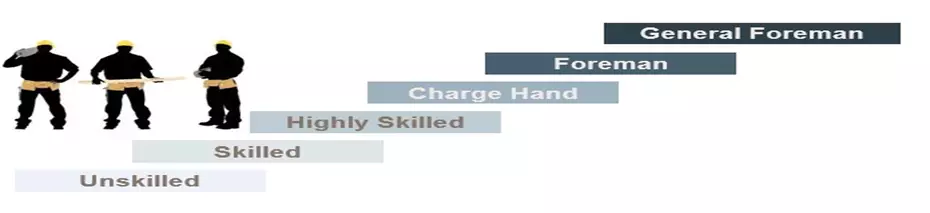
    • The career path needs to be well defined. Within construction, the vast majority of roles at project sites are organized by discipline (i.e., Civil, Mechanical) and with a combination of skilled and unskilled labor reporting into a foreman. To attract nationals into these teams and retain them, there needs to be a hybrid training program of both classroom (i.e., lingual, supervisory, professional skills) and on the job training to develop them on a path towards Foreman, General Foreman, and Superintendent roles.
    • Appointing nationals in critical Engineering and Project Management roles within the project teams to enhance affiliation amongst national workers in the site project teams and who understand the cultural nuances prevalent across the region (i.e., Najran, Jizan, Riyadh, Jeddah).

    Does any of the above strategies, insights, and challenges resonate with your own experiences and what have you seen leveraged with success in your organization(s)?

    About Author

    Samer Khatib is an accomplished Real Estate Investor, Board Member, and CHRO with 15+ years of experience leading HR transformation change programs across multiple industries & countries to bolster talent acquisition, engagement, development, performance, and retention.

    After a sabbatical to focus on establishing a Real Estate investment business in base country, returned to the region to continue working with C-suite stakeholders on efforts to lead large scale HR transformational initiatives, implement ERP systems & processes, and build & motivate high performing teams.

    Currently, steering a confidential national entity in Saudi Arabia, guiding the full cycle of human resources and organizational design while also holding board member advisory roles within multiple organizations including own investment business that is focused on acquiring & redeveloping real estate with upside from a more efficient management structure.

  • The Role of HR in Family Owned Businesses

    “Adapting HR Practices in a Post-Pandemic World: Lessons from Real Estate Entrepreneurship” Samer’s experience as a real estate entrepreneur during the COVID-19 pandemic can provide valuable insights into how HR practices need to adapt in the face of crises and uncertainty.

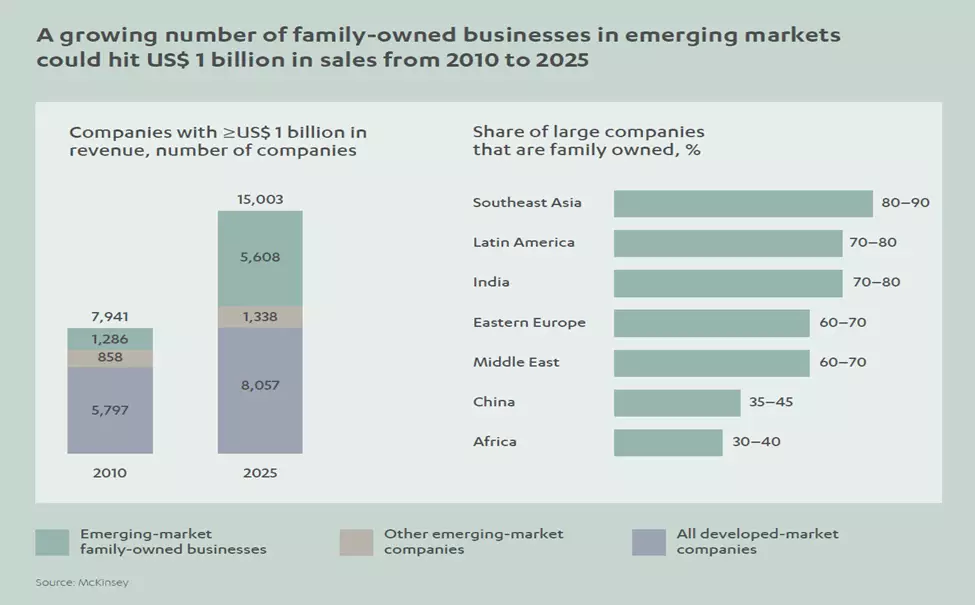
    Family-owned businesses constitute approximately 90% of the private sector economy in the world and that also applies to the GCC as they greatly contribute to the region’s gross domestic product and thus are one of the main pillars of the economy. Even when you focus on larger organizations ($1b+ in revenue) the percentage is up to 70% of all GCC companies being family owned.

    So why does there tend to be a stigma associated with working in a family-owned and operated business in the GCC? As someone who has worked in multiple organizations in both large conglomerate family-owned and operated businesses and multi-national companies I can share my perspective on the matter with a particular focus on the unique challenges and opportunities in managing Human Resources in this context.

    Many hiring managers can probably attest to this when trying to recruit a prospective candidate for an opportunity within a family-owned and operated business where when initially highlighting the opportunity you often get an initial pause or awkward moment of silence where one feels compelled to immediately preface it by indicating that the organization has the right corporate governance or aspires to have it in place in the near future to mirror what is typically standard in a publicly run multi-national organization for instance. Everyone has heard of the horror stories associated with some family-owned businesses being essentially run by moody owners and their loyal henchmen operating with impunity and instilling a culture of fear and retribution. Unique challenges include:

    • Rescinded employment offers after contract signing and resignation,
    • Being caught in the crossfire of family feuds & politics,
    • Being disciplined (up to and including termination) w/out due process,
    • Having your passport being held w/out permission,
    • Lack of clear direction or continuous change of direction,
    • Lack of clear succession plans,
    • Works scope often can sometimes include domestic family issues,
    • Lack of confidential channels to escalate Code of Conduct issues (i.e., whistleblower),
    • Culture of retribution if ideas and actions deviate from the norm, etc.

    To be fair, it’s not all doom and gloom within family-owned and operated businesses as many owners really do have their heart in the right place and often take steps to instill the right corporate governance and let their management team operate the business with minimal oversight and intervention – This usually comes after trust is earned and with that often comes a unique employee value proposition that will make your colleagues in the public multi-national companies fill with envy. Unique opportunities include:

    • pension as a reward for life-long service,
    • monetary and non-monetary awards can be well above market/industry ceilings,
    • fast track career advancement opportunities,
    • owners know you personally and ad hoc awards/gifts are given for professional and personal milestones,
    • employment opportunities for family members are commonplace,
    • benefits like company cars, housing, and air passage that are often above market grade level standards,
    • opportunity to contribute impactfully and leave a legacy is more prevalent,
    • empowerment and support in delivering board mandates (i.e., open budget), etc.

    If you notice many of the pros and cons center around human resources related issues so the mark of a positive working environment versus a negative working environment often has a direct correlation to whether the Human Resources function has a seat the table, instituted progressive HR policies, procedures, and systems, and the courage of their convictions to intervene and influence when necessary. Unfortunately, in many organizations that display a culture of fear & retribution the root cause often goes to systemic issues involving the HR function where as a function they are not valued or empowered (i.e., report to a span breaker like Finance) or in the absence of this are viewed as being skewed towards (a) Being an employee advocate at the expense of the business or (b) Being an employer guardian at the expense of the employee. Being seen as favoring one side over the other w/out adherence to past precedents or existing policies and frameworks will not end well for the HR function as they lose credibility on both sides of the fence.

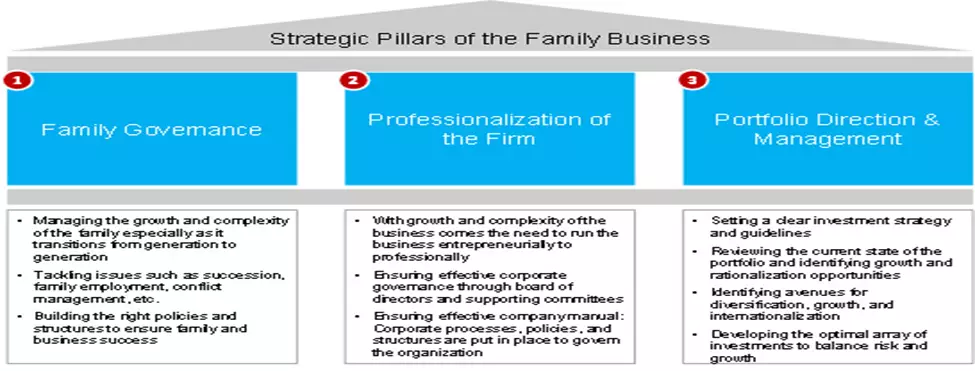
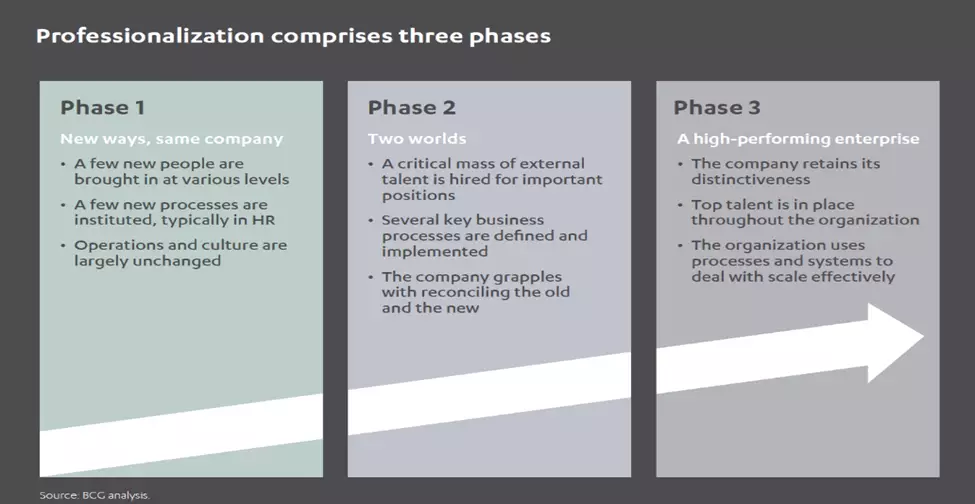
    Drawing upon my experience with two large conglomerate family-operated businesses (Alfardan Group in Qatar and El Seif Investments in KSA), where I spent nearly 7 years working on efforts to drive professionalization across three phases (see below diagram).

    In both organizations, I worked closely with the board, executive leadership team, and outside 3rd party management consultants (McKinsey was brought in within both organizations) to deliver on this mandate. In both circumstances, the activities and process steps was generally similar as both board’s mandate was to ultimately enhance the organization’s effectiveness through a reorganization to address issues of growth or performance, institute the right governance to allow them to delegate to the leadership team, to attract new leaders to supplement the existing core leadership teams and ultimately infuse new ideas and ways of working, and to elevate the HR function to lead the transformation towards professionalization.

    Looking back, these roles were my most challenging and rewarding as I was able to make an impact and leave a lasting legacy to this day. While I had opportunities within multi-national organizations it was generally limited to my immediate team or function as opposed to an entire organization. In both organizations, the key was convincing the board to implement the right HR operating model and to transition away from a decentralized personnel organization to a more strategic centralized HR operating model that leveraged:

    • Centers of Excellence (to develop standardized policies, procedures, systems, and standards),
    • Shared Services (to deliver on high volume transactions efficiently and as per the defined SLA), and
    • HR Business Partners (to build strong relationships within the business and deliver the group standards on the ground and escalate issues when needed).

    As illustrated in the diagram above, the professionalization journey often starts with the infusion of new leadership – particularly HR, Finance, IT, Operations, Governance, Risk, & Compliance. When I joined at Alfardan Group, a new Project Development Director joined as well and we both worked in parallel on the Board’s ambitious plans for him in Real Estate Development and me on People Development.

    The next few months my focus was primarily on recruiting senior level leaders in Business Development, Legal, Governance, Risk, & Compliance, Finance, and so on to drive similar professionalization standards in their respective remits as we positioned the group for growth into new markets (i.e., hospitality, marine). Some of these recruits thrived and are still there to this day while others crashed and burned. Where they fell short, they lacked the right level of emotional intelligence (EQ) to navigate the political landscape often found in family businesses. This was an important learning for me and I began focusing on recruiting talent that possessed personality traits that would allow them to be effective in our working environment.

    As I began to deliver on the board priorities and objectives I enhanced my own personal brand and garnered the right level of trust across the board to eventually pave the way to centralize the HR function under my direction and really elevate the organization’s reputation as an Employer of Choice in the country.

    It was never easy and along the way I had a great deal of resistance and push back on the ideas I was introducing but the board. The board members essentially comprised of 3 brothers who were actively managing the core business, a sister who was a prominent national symbol for woman’s rights and contributed in this space in business development, and their father who was of course a legend in the country and built an impressive business empire and successfully transitioned to his children who were now building on that success – all great business leaders but more importantly great people that inspired their respective employees. My challenge was to work with each and deliver on what was important to them as each had their own set of unique challenges. Each was of course surrounded by an old guard but by and large they all understood that I was there to help and embraced the changes eventually. Fast forward on this multi-year journey and much of the heavy lifting had been completed and my role became more of a ‘run and maintain’ set up and I decided to ready my successor to allow me to transition to another challenge where I can continue to build my competencies and grow professionally.

    The Group went on to have significant growth and prosperity and although they have reverted back to a decentralized HR operating model, many of the principles, frameworks, policies, and systems that I implemented are still being used to this day.

    At El Seif Investments, the journey was eerily similar just on a much larger scale with a workforce size of 50,000. I joined along with a CFO and between the two of us, we jointly began working towards professionalizing the organization and infusing talent across the various functions and business units.

    The board mandate was to redirect the performance of the contracting business which was struggling with on-time and on-budget project deliver, nationalization, and the two brothers who essentially were actively managing their respective businesses wanted to prepare the next generation who were willing and able to take on the transition and if not be able to have the right corporate governance to have the optionality for an IPO/Joint Stock Offering.

    The two brothers did not always see eye-to-eye on priorities – for example, one was future focused and a big believer in systems and automation whereas the other was a huge proponent of people and ensuring we have the right skills to deliver on projects as this was what had gotten them to being the 2nd largest contractor in the kingdom. One was a morning person and the other was a night owl so you can imagine what that dynamic was like to try and bridge the divide. Fast forward again on the multi-year journey and we were able to deliver on much of the mandates we set out to deliver upon.

    Like prior, the board supported the introduction of a similar HR Operating model that we were able to nationalize from 60% to 95% within my tenure. The young nationals we developed, coached, and mentored have seen their careers and earnings progress significantly in the years since and one of which lured me back to the region in an advisory capacity which is a validation in and of itself at the accomplishments we had on the ground.

    Does any of the above insights around challenges and opportunities resonate with your own experiences in your organization(s)?

    About Author

    Samer Khatib is an accomplished Real Estate Investor, Board Member, and CHRO with 15+ years of experience leading HR transformation change programs across multiple industries & countries to bolster talent acquisition, engagement, development, performance, and retention.

    After a sabbatical to focus on establishing a Real Estate investment business in base country, returned to the region to continue working with C-suite stakeholders on efforts to lead large scale HR transformational initiatives, implement ERP systems & processes, and build & motivate high performing teams.

    Currently, steering a confidential national entity in Saudi Arabia, guiding the full cycle of human resources and organizational design while also holding board member advisory roles within multiple organizations including own investment business that is focused on acquiring & redeveloping real estate with upside from a more efficient management structure.